
Australian Hospitality Trends 2026: Why Kara Coconut Water Belongs on Your Menu Now
The next big beverage opportunity is clear, refreshing and ready to scale.
Australian hospitality is entering 2026 with a more discerning customer, tighter operating margins and higher expectations around wellness, dietary inclusion and responsible procurement. For cafés, restaurants, pubs, QSRs, clubs, caterers and institutional kitchens, the challenge is finding products that satisfy several priorities at once.
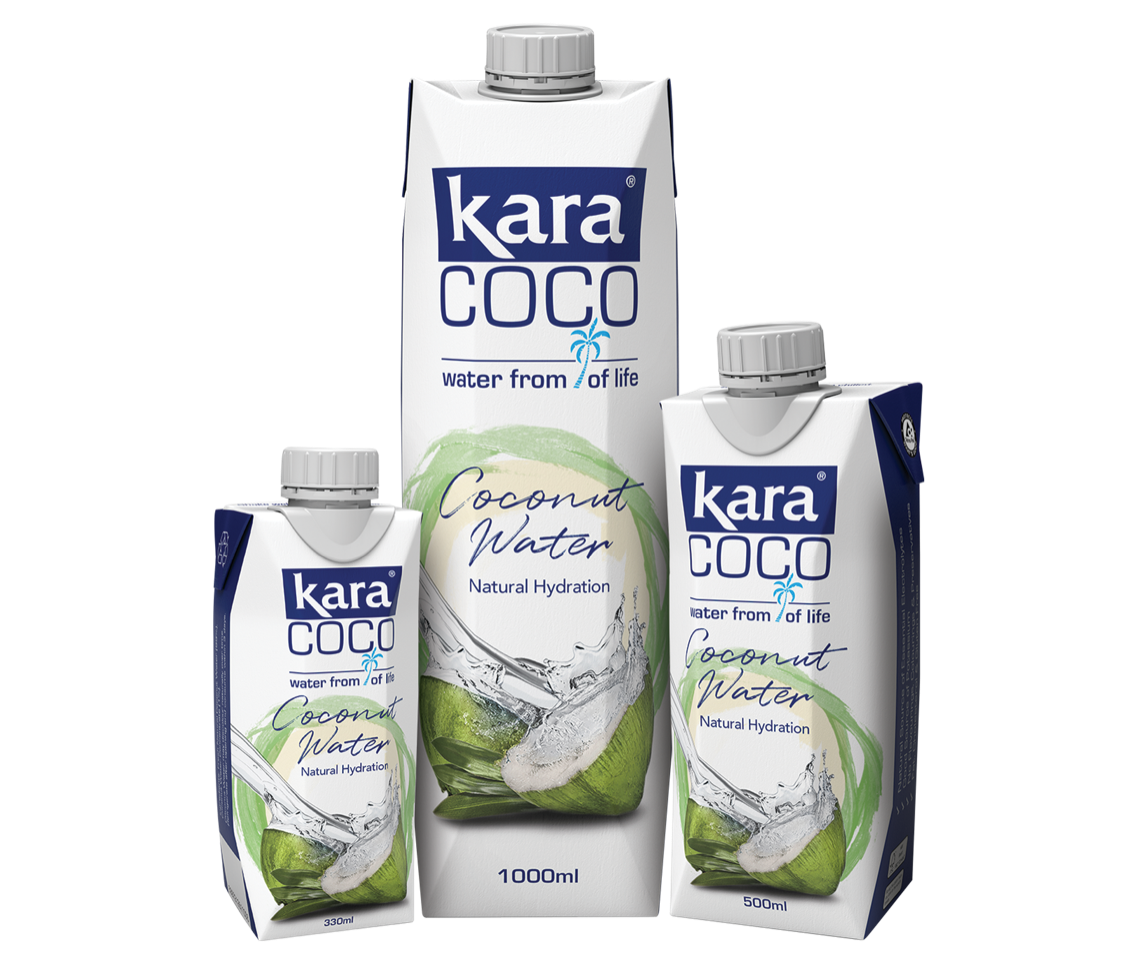
Kara Coconut Water 12 x 1LT gives operators a practical way to respond.
It can support functional hydration menus, plant-based and dairy-free beverage development, alcohol-free drink programs and smarter bulk purchasing : all while offering the consistency commercial kitchens need.
Here are the key hospitality trends shaping 2026, and how Kara Coconut Water can help your venue act on them.
1. Functional hydration is becoming a menu category
Hydration is no longer just a customer need. It is a menu opportunity.
Guests are increasingly seeking beverages that feel lighter, more natural and relevant to their lifestyles. According to Australian beverage trend research, low- and no-sugar beverages increased their market share from 30% in 1997 to 65% in 2024.
That shift is influencing every daypart:
- Morning smoothies and breakfast beverages
- Café grab-and-go fridges
- Alcohol-free dining occasions
- Post-exercise and event catering
- Corporate and institutional foodservice
- Premium soft drink and mocktail menus
Kara Coconut Water is well suited to this environment. Kara’s product information identifies it as a natural source of essential electrolytes, including potassium, calcium, magnesium, sodium and phosphorus. It is also listed as free from flavourings, colourings and preservatives, as well as fat-free, cholesterol-free and gluten-free.
For operators, the benefit is a straightforward product story: plant-based refreshment with naturally occurring electrolytes.
It can be served chilled as a standalone beverage or used as a versatile base for:
- Lime and mint coolers
- Pineapple and ginger refreshers
- Mango and passionfruit smoothies
- Watermelon and basil drinks
- Citrus spritzes
- Fruit punches and batch beverages
As always, review the current product label and your venue’s allergen procedures before making specific menu claims.
2. Plant-based and dairy-free options are moving into the mainstream
Plant-based is no longer a niche menu section. It is part of inclusive hospitality.
Customers may choose plant-based products for ethical, dietary, environmental or personal reasons. Others simply want variety. This means successful venues are increasingly integrating plant-based choices into their main beverage and food programs rather than isolating them as specialist alternatives.
Kara Coconut Water helps operators add a plant-based, dairy-free option without creating a complicated new preparation system.
It can replace some or all of the liquid component in selected smoothies, frozen drinks and fruit-based beverages. That makes it useful for:
- Vegan cafés and bakeries
- Restaurants with dairy-free beverage options
- QSRs developing limited-time drinks
- Pubs and clubs expanding their zero-proof selection
- Schools, universities and aged care kitchens
- Catering and event venues serving diverse groups
The most effective approach is to build a small family of standardised recipes:
- Fruit-forward: mango, passionfruit, pineapple or berries
- Fresh and green: cucumber, apple, spinach, citrus or mint
- Premium alcohol-free: coconut water, herbs, citrus, soda and quality garnishes
This approach supports menu variety while keeping the ingredient list under control.
For additional inspiration, see Plant Pantry’s guide to integrating Kara Coconut Water into plant-based menus.
3. Alcohol-free beverages are becoming a genuine revenue stream
Zero-proof does not have to mean zero excitement.
The growth of moderation and alcohol-free occasions is changing the role of the beverage menu. Guests increasingly expect thoughtful non-alcoholic options : not simply soft drink, water or juice.
The Lightspeed Hospitality Report 2026 identified alcohol-free beverages as a priority for 36% of operators, while 37% prioritised bottomless drinks. These figures reflect a broader opportunity: venues can create premium experiences without relying exclusively on alcohol.
Kara Coconut Water offers a naturally refreshing base for drinks such as:
- Coconut Lime Spritz: Kara Coconut Water, lime, soda and mint
- Tropical Cooler: Kara Coconut Water, pineapple, passionfruit and citrus
- Ginger Refresher: Kara Coconut Water, ginger, lemon and sparkling water
- Berry Coconut Crush: Kara Coconut Water, berries, lime and crushed ice
A standardised 200–250 mL pour can help teams calculate yield, train staff and cost each serve accurately. At 200 mL per serve, one 12-litre carton provides a theoretical 60 serves. At 250 mL per serve, it provides 48 serves, before accounting for wastage or recipe variations.
That makes the 12 x 1LT format suitable for both individual service and controlled batch preparation.

4. Sustainability expectations are influencing procurement
Responsible hospitality starts with honest, measurable decisions.
In 2026, customers and procurement teams are paying closer attention to packaging, food waste, supply chain transparency and sourcing practices. Sustainability is not simply about adding a green label to a menu; it is about understanding how products move through the kitchen.
Kara Coconut Water can support more disciplined operations through:
- Manageable 1-litre units
- Portion control and recipe standardisation
- Easier stock rotation
- Reduced risk of over-opening larger containers
- Flexible use across beverages, desserts and selected culinary applications
- Consolidated ordering through a specialist plant-based supplier
Coconut water is not an Australian-grown product, so venues should communicate its origin accurately and avoid making unsupported local-sourcing claims. A practical strategy is to combine Kara with seasonal Australian ingredients where suitable : such as locally sourced citrus, herbs, berries or stone fruit : and clearly describe the provenance of each menu component.
This creates a more transparent approach to sustainability: use products for their genuine strengths, minimise waste and communicate sourcing honestly.
5. Margin pressure is driving smarter procurement
In a tight-margin business, versatility is a commercial advantage.
Australian hospitality operators continue to manage higher labour, rent, energy and ingredient costs. Industry reporting commonly places hospitality net margins in the low single digits, with food and beverage costs often accounting for approximately 28–34% of revenue depending on the venue model.
That environment makes procurement discipline essential.
The value of Kara Coconut Water should not be assessed against one drink alone. Instead, consider its total menu contribution across:
- Smoothies
- Mocktails
- Chilled beverage service
- Breakfast menus
- Event catering
- Desserts and granitas
- Fruit preparations
- Selected savoury recipes
The 12 x 1LT case contains 12 individual one-litre packs, giving chefs a useful balance between volume and control. Smaller units can be opened according to demand, while the remaining stock stays unopened and available for later service, subject to the product’s storage requirements.
To improve commercial performance:
- Set a weekly par level based on actual usage.
- Use first-in, first-out rotation for all cartons.
- Record the cost per litre using current trade pricing.
- Standardise recipes by millilitre rather than free-pouring.
- Track wastage and sales by daypart.
- Review whether one product is serving multiple menu categories.
For a simple menu costing calculation:
Food cost percentage = ingredient cost per serve ÷ selling price × 100
Your target will depend on your venue, labour model and pricing strategy, but consistent measurements make it easier to protect margins.

6. Bulk buying can simplify the supply chain
One versatile product is useful. One reliable ordering process is even better.
For venues searching for coconut water bulk, purchasing through a specialist plant based food distributor can help reduce supplier complexity and improve stock planning.
The Plant Pantry supports professional kitchens with a 100% plant-based catalogue, trade-only pricing and ambient, chilled and frozen supply across Australia. Its customer base includes cafés, restaurants, QSRs, pubs, clubs, caterers, schools, universities, aged care, healthcare, government and institutional kitchens.
This makes Kara Coconut Water a practical fit for operators looking for wholesale coconut water Australia supply alongside a broader vegan food wholesale range.
Consolidated ordering can help teams:
- Reduce the number of purchase orders
- Simplify invoice reconciliation
- Coordinate deliveries
- Standardise products across multiple sites
- Improve inventory visibility
- Reduce the time spent chasing individual suppliers
A practical 2026 trial plan
To introduce Kara Coconut Water with minimal operational risk, start small and measure the results.
Week 1: Develop three recipes
Create one smoothie, one alcohol-free drink and one seasonal fruit or dessert application.
Week 2: Cost and train
Document exact quantities, yields, garnish, preparation time, allergens and selling price. Train the team using recipe cards.
Weeks 3–4: Track performance
Monitor sales, wastage, customer feedback and preparation speed. Compare performance across breakfast, lunch, evening and event service.
After the trial: Refine the range
Keep the strongest performers, adjust recipes where needed and remove items that create unnecessary complexity.
Bring the next beverage trend to your menu
The strongest hospitality trends of 2026 are connected by one clear expectation: customers want choices that are enjoyable, convenient, transparent and better aligned with modern lifestyles.
Kara Coconut Water 12 x 1LT gives Australian foodservice operators a flexible way to respond. It supports functional hydration, plant-based and dairy-free menus, premium alcohol-free drinks and more disciplined bulk procurement.
To explore trade access and secure supply through The Plant Pantry, visit the Plant Pantry wholesale portal.
For more information about The Plant Pantry’s plant-based foodservice range, visit www.plantpantry.com.au.
One case. Multiple applications. A smarter way to pour progress into your 2026 menu.