
Plant-Based Menu Integration: How Kara Coconut Water Streamlines Your Kitchen
One carton. Multiple menu opportunities. Less kitchen complexity.
For Australian food service operators, plant-based menu development is no longer limited to creating a single vegan dish. Cafés, restaurants, QSRs, catering businesses, institutions and corporate kitchens are increasingly looking for flexible ingredients that support dietary requirements, efficient preparation and appealing menu innovation.
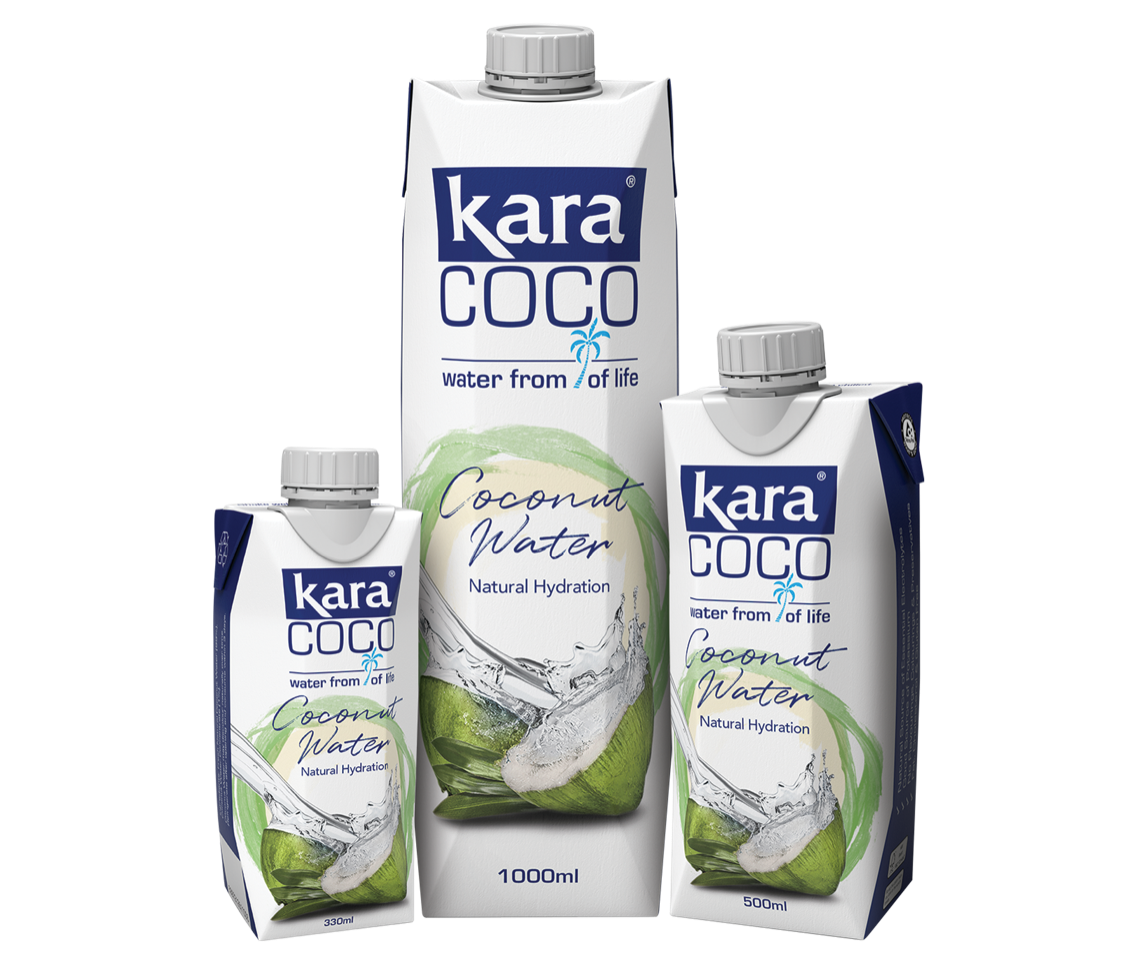
Kara Coconut Water 12 x 1LT is a practical addition to that strategy. Its clean, refreshing profile and plant-based credentials make it useful across beverage programs, smoothies, mocktails, desserts and selected savoury applications.
For kitchens seeking coconut water bulk supply, Kara offers a reliable format for testing, standardising and scaling recipes. When sourced through The Plant Pantry, it also fits into a broader vegan food wholesale supply model built around professional food service.
Why Kara Coconut Water works in a professional kitchen
Kara’s official product information describes its coconut water as being made from fresh handpicked coconuts and naturally supplying essential electrolytes, including potassium, calcium, magnesium, sodium and phosphorus. It is also listed as free from flavourings, colourings and preservatives, as well as fat-free, cholesterol-free and gluten-free.
That combination gives chefs a versatile base with a straightforward product story:
- Plant-based and vegan-friendly
- Dairy-free
- Free from artificial flavourings, colourings and preservatives
- Fat-free and cholesterol-free
- Gluten-free
- A natural source of essential electrolytes
- Available in a practical 1-litre format
Always review the current product label and allergen declaration before making menu claims. Coconut remains the relevant allergen to consider in your venue’s food safety and allergen management procedures.
1. Build a plant-based beverage base that works across the menu
Start with one liquid. Create several profitable serves.
The simplest way to integrate Kara Coconut Water is through your drinks menu. Its light, naturally refreshing flavour can support recipes without overpowering fruit, herbs, coffee or tea.
Consider using it as the base for:
- Tropical fruit coolers
- Watermelon, lime and mint refreshments
- Pineapple and ginger drinks
- Citrus spritzes and alcohol-free cocktails
- Iced teas
- Fruit punches for events and functions
- Hydration-focused café specials
- Smoothies and blended fruit drinks
A standardised recipe might use 200–250 mL of Kara Coconut Water per serve, depending on the other ingredients and desired finished volume. This creates a clear starting point for portion costing and staff training.
For high-volume service, prepare a measured base in batches rather than relying on individual free-pouring. Label each batch with its preparation time, use-by instruction and responsible staff member, then store it according to your food safety plan.
2. Use coconut water to modernise smoothies
Smoothies are one of the easiest places to introduce a plant-based ingredient because customers already understand the format.
Kara Coconut Water can replace some or all of the liquid component in recipes that traditionally use dairy milk, juice or plain water. This can help create a lighter, refreshing texture while supporting dairy-free and vegan menu options.
Try pairing it with:
- Frozen mango, banana and passionfruit
- Berries, lime and fresh mint
- Pineapple, cucumber and ginger
- Spinach, green apple and citrus
- Dragon fruit, strawberry and coconut
A practical development method is to create three recipe families:
- Fruit-forward: high visual appeal and easy to communicate
- Green blends: vegetable-led, fresh and wellness-oriented
- Seasonal specials: limited-time combinations that keep the menu current
Use a recipe card for every blend, recording the exact ingredient weights, yield, cup size, garnish and preparation method. This protects consistency when multiple team members are working across breakfast, lunch and takeaway service.
3. Create alcohol-free drinks without adding operational complexity
Demand for sophisticated alcohol-free options continues to grow across restaurants, pubs, clubs, RSLs, events and corporate functions. Kara Coconut Water gives bartenders and chefs a versatile starting point for drinks that feel considered rather than like an afterthought.
Build a simple mocktail framework:
- Base: Kara Coconut Water
- Acid: lime, lemon, grapefruit or verjuice
- Aromatic: mint, basil, rosemary, ginger or lemongrass
- Texture: crushed ice, fresh fruit or a small amount of purée
- Finish: soda, tonic or a refined garnish
For example, a coconut water, lime, ginger and mint cooler can be produced quickly during service, while a pineapple and rosemary variation may suit a function or seasonal event menu.
The operational benefit is cross-utilisation. The same herbs, citrus, fruit purées and garnishes can support other drinks and dishes, reducing the number of single-use ingredients in your cool room.
4. Bring Kara into desserts and cold preparation
Plant-based desserts need more than a dairy-free label; they need freshness, texture and a strong visual presentation. Coconut water can contribute a clean liquid element to selected cold desserts and fruit-based preparations.
Explore applications such as:
- Coconut water granita
- Fruit jellies using a suitable vegan setting agent
- Chilled fruit soups
- Fresh fruit cups and breakfast bowls
- Ice blocks and frozen treats
- Syrups for fruit-based desserts
- Cocktail-style dessert components
When developing a granita, begin with Kara Coconut Water, citrus juice and a controlled amount of sweetener. Freeze the mixture in a shallow tray and scrape at regular intervals to create fine crystals. The final recipe should be tested for sweetness, freezing behaviour and portion yield.
For institutional kitchens, schools and aged care, use clear ingredient declarations and review the suitability of every additional component. Kara Coconut Water can help build a free-from recipe, but the complete dish must still be assessed for all allergens and cross-contact risks.
5. Use coconut water in selected savoury recipes
While beverages are the most obvious application, chefs can also test Kara Coconut Water in lighter savoury preparations where a clean, subtly sweet liquid is appropriate.
Potential uses include:
- The liquid component in a chilled gazpacho-style soup
- A poaching liquid for fruit or selected vegetables
- A base for a light dressing or vinaigrette
- A finishing liquid in a tropical grain or rice salad
- A component in a fresh salsa or relish
- A balancing ingredient in a chilli, lime and herb sauce
The key is restraint. Coconut water is not a direct replacement for stock, cream or coconut milk in every recipe. Use it where its light body and fresh flavour support the dish rather than dominate it.
For menu testing, prepare a small pilot batch first. Record the recipe’s yield, holding performance, taste after refrigeration and service temperature. This helps determine whether it belongs on the core menu, a daily special or a catering package.

6. Make the 12 x 1LT format work harder
A carton of Kara Coconut Water 12 x 1LT provides 12 individual 1-litre packs, or 12 litres in total. That format is useful for kitchens that need controlled access, manageable storage and repeatable production.
To improve stock control:
- Set a par level based on weekly usage and delivery frequency.
- Store unopened cartons in the correct ambient conditions specified on the label.
- Refrigerate opened product as directed and use within the recommended period.
- Record opened dates during mise en place.
- Rotate stock using a first-expiry, first-out system.
- Assign Kara Coconut Water to a clearly labelled beverage or ambient storage location.
- Track usage by recipe rather than by department alone.
This approach allows procurement managers to compare forecast demand with actual usage. If one carton supports smoothies, mocktails, event beverages and desserts, the product’s value should be assessed across the menu rather than against a single recipe.
7. Standardise recipes, costing and training
A versatile ingredient only streamlines a kitchen when the team uses it consistently.
For each Kara-based menu item, document:
- Recipe name and menu description
- Ingredient weights or millilitres
- Expected yield
- Portion size
- Preparation and service method
- Garnish and presentation
- Allergen information
- Cost per serve
- Recommended selling price
- Storage and holding instructions
As a general costing formula:
Food cost percentage = ingredient cost per serve ÷ selling price × 100
Your target percentage will depend on your venue model, labour structure and menu category. However, using standard measurements makes it easier to identify waste, compare menu performance and adjust pricing when ingredient costs change.
Staff should also understand the customer-facing product language. Rather than making broad health promises, use precise descriptions such as “plant-based coconut water with naturally occurring electrolytes” where supported by the current label and product information.
A simpler route to plant-based menu progress
Plant-based menu integration does not need to mean a larger, more complicated stock list. The strongest results often come from selecting flexible ingredients that can move across multiple sections of the menu.
Kara Coconut Water supports that approach with:
- A clean and recognisable ingredient profile
- A practical 1-litre food service format
- Broad beverage and culinary applications
- Dairy-free and vegan suitability
- A straightforward free-from story
- Opportunities for seasonal and limited-time development
- Consistent batch preparation and portion control
The Plant Pantry is an Australian plant based food distributor supplying professional kitchens with a 100% plant-based catalogue across ambient, chilled and frozen categories. For operators looking for wholesale coconut water Australia supply, Kara Coconut Water 12 x 1LT can be incorporated into a consolidated ordering approach alongside other menu essentials.

Ready to trial Kara Coconut Water?
Begin with three applications: one smoothie, one alcohol-free drink and one seasonal dessert or fruit preparation. Cost each recipe, train the team, monitor sales and review the results after two to four weeks.
When you are ready to source Kara Coconut Water 12 x 1LT, visit the Plant Pantry wholesale portal to apply for trade access and explore plant-based food service supply across Australia.
For more about The Plant Pantry’s range and professional kitchen approach, visit www.plantpantry.com.au.
Kara Coconut Water: one clean, plant-based ingredient to help your kitchen pour more possibilities.