
The Ultimate Guide to Rehydratable Plant Based Meat: Everything You Need to Succeed
In the high-pressure environment of a commercial kitchen, the triple threat of rising costs, storage limitations, and the increasing demand for sustainable options is a constant challenge. For chefs and food service operators, the "green revolution" is no longer a niche trend, it is a strategic imperative. However, the operational hurdles of traditional frozen or chilled plant-based meats often make them difficult to scale.
Enter Harvest B.
As a pioneer in the plant-based space, Harvest B has developed a range of rehydratable plant proteins that are fundamentally changing how professional kitchens approach vegan and vegetarian menus. These products aren’t just meat alternatives; they are strategic tools designed to improve your bottom line while delivering the texture and flavor profile your customers expect.
This guide explores everything you need to know about integrating Harvest B’s shelf-stable proteins into your operation, from the business logic of ambient storage to the culinary techniques that ensure success on the plate.
1. The Strategic Advantage of Rehydratable Protein
Traditional plant-based meats usually arrive frozen or chilled. This creates a significant "cold chain" dependency, you are paying for refrigerated transport, taking up valuable freezer space, and dealing with the logistical headache of defrosting before service.
Harvest B proteins are shelf-stable. They arrive as a dry mix, requiring only ambient storage.
Why This Matters for Your Business:
- Reduced Overhead: Eliminate the energy costs associated with freezing and the risk of stock loss during power outages.
- Unrivaled Storage Efficiency: Because the product is dry, it takes up a fraction of the space. A single 7kg bag of dry mix rehydrates into over 20kg of finished protein.
- Inventory Resilience: With a long shelf life, you can stock up without the fear of short-dated products going to waste.
- Sustainability Credits: Reducing cold chain requirements significantly lowers your carbon footprint, aligning your kitchen with modern ESG goals.
2. Understanding the Harvest B Range
Harvest B offers a versatile lineup of textures designed to replace beef, chicken, and pork across a variety of applications. Each product is engineered to absorb flavor during the rehydration process, acting as a "culinary sponge" for your signature sauces and marinades.
The Mince (Beef Style)
The Harvest B Vegan Beef Style Mince is the workhorse of the range. From a 14kg dry carton, you yield a massive 42kg of finished product.
- Best For: Bolognese, taco fillings, burger patties, and chili con carne.
- Yield Ratio: 1 part dry mix to 2 parts water (approx.).
The Strips (Chicken Style)

These Chicken Style Strips provide a fibrous, meaty bite that holds up under high-heat sautéing or slow simmering.
- Best For: Stir-frys, fajitas, and Caesar salads.
- Yield Ratio: 7kg dry becomes 20kg rehydrated.
The Shred (Pulled Protein)

For kitchens specializing in QSR or pub favorites, the Vegan Chicken Style Shred mimics slow-cooked pulled meats perfectly.
- Best For: Loaded fries, "pulled pork" style burgers, and bao buns.
- Yield Ratio: 6kg dry becomes 18kg rehydrated.
The Diced (Red Meat Style)
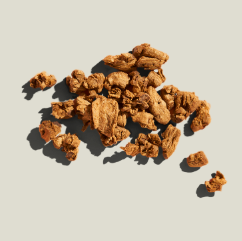
The Diced Red Meat Style is designed for longer cooking times, making it ideal for stews and curries where it absorbs the rich aromatics of the sauce.
3. The Rehydration Process: A Chef’s Guide
Success with Harvest B starts with proper rehydration. Unlike traditional TVP (Textured Vegetable Protein) which can sometimes feel "spongy" if not handled correctly, Harvest B is designed for a premium mouthfeel.
Step 1: The Ratio
Precision is key. Always weigh your dry protein and measure your water. While ratios vary slightly by cut, a general rule is that 1kg of dry protein will absorb approximately 2kg of liquid.
Step 2: The Liquid (The "Flavor Infusion")
This is where you can differentiate your menu. Instead of plain water, use:
- Vegetable or "no-chicken" stock for depth.
- Beetroot juice for a "bleeding" red meat effect in mince.
- Soy sauce and ginger for Asian-inspired dishes.
- Liquid smoke for BBQ applications.
Step 3: The Soak
Combine the dry protein and liquid in a large container. Allow it to sit for 20–30 minutes (depending on the cut). The protein should absorb all the liquid and become tender to the core.
Step 4: The Sear
For the best results, rehydrated protein should be treated like raw meat. Sear it in a hot pan or on a flat top to create a Maillard reaction, that crispy, browned exterior that provides the essential "meaty" flavor profile.
4. Operational Integration and ROI
For procurement managers, the math behind Harvest B is undeniable.
When you purchase a 7kg bag of Harvest B Strips for approximately $193, you aren't just buying 7kg of food; you are buying 20kg of menu-ready protein. This brings your cost per rehydrated kilogram down significantly compared to premium pre-made frozen alternatives.
| Product | Dry Weight | Rehydrated Yield | Approx. Cost per Kg (Rehydrated) |
|---|---|---|---|
| Beef Style Mince | 14kg | 42kg | ~$5.35 |
| Chicken Style Strips | 7kg | 20kg | ~$9.66 |
| Red Meat Diced | 7kg | 21kg | ~$7.80 |
Note: Pricing is based on current wholesale rates and is subject to change. Access our Wholesale Portal for live pricing.
5. Frequently Asked Questions by Chefs

Q: Does it have a "beany" aftertaste?
A: No. Harvest B is specifically engineered to have a neutral flavor profile, allowing the chef’s seasoning and the rehydration liquid to take center stage.
Q: Can I rehydrate it in advance?
A: Yes. Once rehydrated, the protein should be treated as a fresh product. Keep it covered and refrigerated for up to 3–4 days, or freeze the rehydrated portions for future use.
Q: Is it healthy?
A: Absolutely. These products are high in protein, low in saturated fat, and contain no cholesterol. They are also non-GMO and often gluten-free (check specific product specs), making them a vital part of an inclusive menu.
Conclusion: Your Journey Starts Here
The shift toward plant-based eating is a significant shift in the culinary landscape, but it doesn't have to be a burden on your kitchen's operations. By choosing Harvest B, you are opting for a solution that prioritizes efficiency, flavor, and financial sense.
Together, we can revamp your menu to meet the demands of the modern diner without compromising on the standards of a professional kitchen.
Ready to transform your menu?
Explore the full Harvest B Collection at The Plant Pantry today or contact our team for a consultation on how to integrate these high-performance proteins into your venue.