Peak Season Ready: A Summer Dessert Strategy with Everest Plant-Based Ice Cream & Sorbets
Summer is not the time to discover that your freezer is full, your best-selling sorbet is unavailable, or your team is using the wrong format for the application.
For Australian restaurants, cafés, QSRs, pubs, clubs, RSLs, schools, universities, aged care facilities, corporate kitchens and event caterers, frozen desserts require the same level of seasonal preparation as beverages, fresh produce and core menu ingredients. Warmer weather, outdoor dining, tourist trade, school holidays, Christmas functions and end-of-year events can all create a significant lift in demand.
A well-planned Everest dessert range helps venues respond with confidence. The range includes plant-based Vanilla Ice Cream and sorbets in practical food-service formats, including 5L scoopable tubs and 10L Juice Bar formats designed for blending.
The strategic priority is simple: forecast earlier, protect freezer capacity, order consistently and make sure every team member understands which format belongs in which service application.
Treat summer demand as a forecast, not a surprise
Frozen dessert demand rarely rises evenly across the season. It can accelerate around hot weekends, public holidays, school holidays, local events, Christmas trading and periods of increased tourism.
Begin by reviewing the previous summer’s sales data, even if your venue has only offered a small plant-based dessert selection. Look at:
- Frozen dessert sales by day of the week
- Dessert sales during hot versus cooler trading periods
- School holiday and public holiday performance
- Outdoor dining and event-related increases
- The number of customers choosing a vegan or dairy-free option
- Stockouts, substitutions and emergency purchases
- Sales by flavour and format
If you do not have a full year of data, build a working forecast from current covers and expected trading conditions. For example, a venue anticipating higher summer footfall might estimate:
Expected dessert portions = forecast covers × dessert attachment rate
From there, separate the expected demand by application. A café may need more sorbet for smoothies and blended drinks, while a restaurant, pub or event caterer may require greater quantities of scoopable Vanilla Ice Cream and 5L sorbet tubs for plated desserts, bowls and cones.
The objective is not to predict every sale perfectly. It is to create an informed baseline, then review actual sales weekly and adjust orders before the next peak period.
Build the range around how your venue serves dessert
The Everest range gives operators flexibility, but that flexibility works best when each format is assigned to the correct job.
The 5L scoopable formats are designed for finished dessert service. Everest plant-based Vanilla Ice Cream provides a familiar, creamy base for:
- Scooped bowls and cones
- Dessert plates
- Warm brownie, crumble or pie accompaniments
- Milkshakes where a scoopable base is required
- Sundaes and layered desserts
- Catering portions and plated functions
The 5L sorbets: Lemon, Raspberry, Neutral and Mango: can provide colour, acidity and freshness across a summer menu. They are suitable for scooping, bowls, cones, plated desserts and palate-cleansing courses, depending on the menu design.
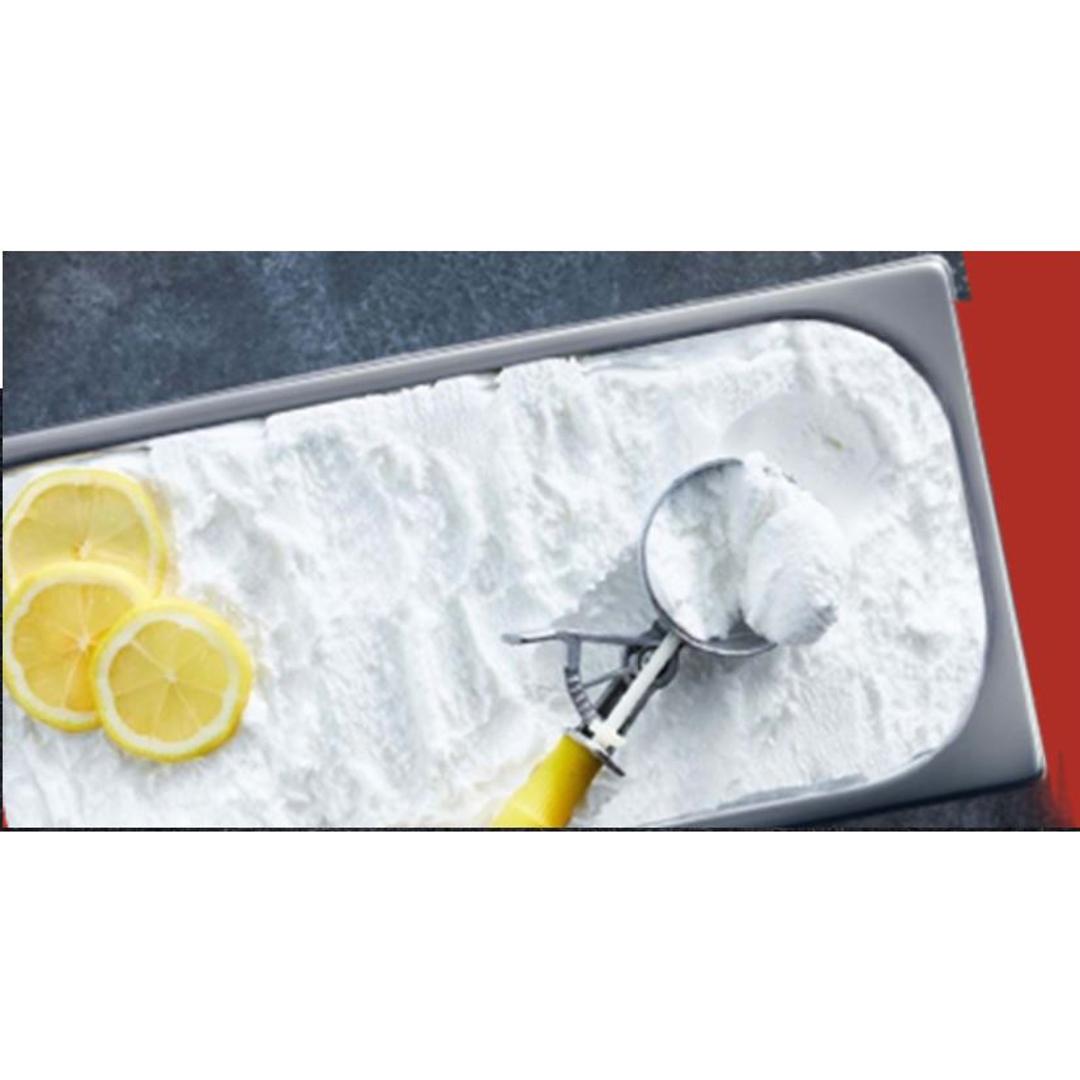
The 10L Juice Bar formats have a different operational role. Everest Juice Bar Sorbets are intended for blended applications such as smoothies, shakes, slush-style drinks and high-volume beverage production. The Lemon, Raspberry, Neutral and Mango varieties allow beverage teams to build refreshing summer drinks without treating a scoopable dessert tub as a blending ingredient.
This distinction matters because the two formats are not interchangeable. A scoopable tub is designed to hold its shape for presentation. A Juice Bar format is designed to remain soft enough for blending and dispensing through beverage workflows.
Train teams to prevent format and service errors
Peak-season pressure makes small process errors more expensive. When the front-of-house team, bar team and kitchen team understand the role of each format, venues can reduce waste, improve consistency and protect service speed.
Add a short Everest product briefing to your pre-summer training. Cover:
- Which products are for scooping and plating
- Which products are for smoothies, shakes and blended drinks
- Where each tub is stored
- The correct utensil or scoop for each application
- Portion sizes and presentation standards
- How to record wastage or unusual usage
- Which products should be substituted if a flavour is temporarily unavailable
Use clear freezer labels such as SCOOPABLE: KITCHEN and JUICE BAR: BLENDING. This simple visual system can prevent a busy barista or casual team member from reaching for the wrong tub during a rush.
Protect freezer space before the season begins
Freezer capacity is a commercial resource. During summer, it needs to accommodate additional dessert stock without compromising airflow, food safety or access during service.
Before increasing orders, complete a freezer audit:
- Measure available capacity rather than relying on visual estimates
- Identify products that are slow-moving or no longer required
- Allocate dedicated areas for Vanilla Ice Cream, scoopable sorbets and Juice Bar formats
- Check that staff can access the most frequently used tubs quickly
- Confirm the freezer can maintain the required operating temperature
- Avoid over-stacking, which can restrict airflow and make stock rotation difficult
- Leave enough space for incoming deliveries during peak weeks
Set a maximum stock level for each SKU. A venue may benefit from holding a seasonal buffer, but excess stock can create unnecessary cash tied up in inventory and make rotation more difficult. The right level depends on your forecast, delivery schedule, freezer capacity and the reliability of your supplier.
Use FIFO and weekly stock checks to protect quality
Frozen products still require disciplined inventory control. Apply first in, first out rotation across all Everest formats, moving older stock forward and placing newer deliveries behind it.
At each weekly stocktake, record:
- Tubs on hand by flavour and format
- Tubs already on order
- Estimated portions or drinks remaining
- Delivery date and use-by information
- Average weekly usage
- Any damaged, compromised or slow-moving stock
A simple stock-control sheet can include:
| SKU | Format | On hand | Weekly usage | Safety stock | Next order |
|---|---|---|---|---|---|
| Vanilla | 5L scoopable | ||||
| Lemon | 5L scoopable | ||||
| Raspberry | 10L Juice Bar | ||||
| Mango | 10L Juice Bar | ||||
| Neutral | 10L Juice Bar |
The purpose is to identify risk early. If a venue waits until a tub is nearly empty to reorder, it may be forced into an unsuitable substitution or an expensive emergency purchase.
Plan ordering around lead times and peak events
Summer ordering should move from reactive purchasing to a planned replenishment cycle. Speak with The Plant Pantry before the busiest trading period to confirm product availability, expected lead times, delivery days and any preorder requirements.
For venues with Christmas functions, school holiday trade or major events, map the season backwards:
- Four to six weeks ahead: review sales data, confirm the range and estimate peak demand
- Three to four weeks ahead: discuss expected volumes and delivery requirements
- Two weeks ahead: place or confirm orders for key frozen formats
- One week ahead: complete a freezer audit, train staff and verify stock
- Before each major event: check actual inventory against the event forecast
- After each peak week: compare forecast usage with actual sales
Reliable weekly deliveries are especially valuable during summer because they allow venues to maintain a sensible buffer without filling every available freezer shelf. However, delivery schedules should be confirmed in advance rather than assumed.
Control cost per serve across the range
Peak season can increase revenue, but only if portion control remains consistent. Calculate cost per serve for every key application instead of evaluating a product only by tub price.
A practical formula is:
Cost per serve = product cost ÷ expected number of serves
For a 5L tub, your yield will depend on scoop size, overrun, serving style and wastage. For a 10L Juice Bar format, calculate the average quantity used per smoothie or blended drink.
Track the results against your menu price and target gross margin. Then check whether the portion being served matches the recipe. Over-generous scoops may appear hospitable, but across hundreds of summer transactions they can materially reduce margin.
Standardise:
- Scoop size
- Number of scoops per dessert
- Sorbet quantity per smoothie
- Garnish and topping quantities
- Glass size for blended drinks
- Staff preparation methods
This allows the range to support both customer satisfaction and commercial performance.

Create a practical pre-summer checklist
Use this checklist with your kitchen, bar and purchasing teams.
Demand planning
- Review the previous summer’s dessert and beverage sales
- Identify the busiest weekends, holidays and local events
- Estimate the dessert attachment rate
- Separate scoopable dessert demand from Juice Bar beverage demand
- Add a realistic safety buffer for hot weather and tourist trade
Range planning
- Confirm quantities of Everest Vanilla Ice Cream 5L
- Confirm 5L scoopable sorbet requirements across Lemon, Raspberry, Neutral and Mango
- Confirm 10L Juice Bar requirements for smoothies and blended drinks
- Identify the two or three priority flavours for your venue
- Establish an approved substitution process
Freezer and storage
- Check freezer capacity and temperature performance
- Allocate storage zones by format
- Apply FIFO labels
- Remove obsolete or slow-moving stock
- Ensure incoming deliveries can be stored immediately
Team readiness
- Train staff on 5L scoopable versus 10L Juice Bar formats
- Standardise portion sizes and recipes
- Label tubs and freezer locations clearly
- Brief front-of-house teams on available flavours
- Add stock checks to the weekly manager’s checklist
Procurement
- Confirm lead times and weekly delivery arrangements
- Place orders before Christmas and school holiday peaks
- Avoid relying on emergency purchasing
- Review actual usage after each major trading period
- Adjust the next order based on sales, not assumption

Make peak-season preparation a competitive advantage
A summer dessert strategy is not simply about carrying more stock. It is about aligning demand forecasting, freezer capacity, format selection, portion control and replenishment so your team can serve quickly and consistently.
When the range is available, correctly stored and easy to use, plant-based desserts become a reliable part of the customer experience rather than an afterthought. That supports an inclusive menu, reduces substitution risk and helps your venue capture demand from vegans, customers with dietary preferences and mainstream diners looking for a refreshing summer treat.
Explore the full Everest collection on The Plant Pantry, including Everest Vegan Vanilla Ice Cream 5L and the Everest Juice Bar sorbet formats. For wholesale access, product availability and seasonal ordering support, visit The Plant Pantry and prepare your range before the summer rush begins.