
Harvest B Vs. Traditional TVP: Which Is Better For Your Commercial Kitchen?
The shift toward plant-forward dining is no longer a trend; it is a permanent fixture of the Australian culinary landscape. For executive chefs, food service managers, and hospitality directors, the challenge has evolved from simply offering a "vegan option" to providing a high-quality, high-margin, and operationally efficient plant protein that satisfies the increasingly discerning palate of the modern consumer.
In the world of shelf-stable, rehydratable proteins, two major contenders dominate the discussion: Traditional TVP (Textured Vegetable Protein) and the next-generation innovation from Harvest B.
While both offer the undeniable benefits of being shelf-stable and ambient-stored, the differences in their performance, texture, and business logic are significant. For a commercial kitchen, choosing the right foundation for your plant-based menu is a vital strategic decision. In this guide, we break down how these two stack up and why Harvest B is revolutionizing the way chefs approach plant protein.
The Old Guard: Understanding Traditional TVP
Textured Vegetable Protein (TVP) has been a staple in commercial kitchens for decades, primarily as a meat extender. Derived almost exclusively from defatted soy flour: a by-product of soybean oil extraction: traditional TVP is a commodity ingredient.
The Characteristics of TVP:
- Composition: 100% soy-based. While high in protein, it carries the inherent "bean-y" flavor and aroma associated with soy.
- Texture: Often described as spongy or slightly rubbery. It lacks a fibrous muscle-like structure, making it more suited for sauces and stews where it can be "hidden" rather than acting as a hero ingredient.
- Preparation: TVP requires significant seasoning and flavor masking. Because it is highly porous, it absorbs liquid quickly but often loses its structural integrity during long simmer times, turning mushy if not managed carefully.
- Allergens: Being purely soy, it is off-limits for guests with soy allergies, which is a growing concern in institutional settings like schools and aged care.
While TVP is undeniably cost-effective, it often falls short in modern premium applications where the "chew" and mouthfeel of the protein are under intense scrutiny.
The Innovation: Enter Harvest B Rehydratable Protein
Harvest B represents a significant leap forward in food technology. Unlike commodity TVP, Harvest B is a formulated rehydratable protein system designed specifically to replicate the fibrous, whole-muscle experience of meat.

At its core, Harvest B is engineered to solve the "texture gap" that has historically plagued plant-based proteins. By utilizing a proprietary matrix of grains and legumes, Harvest B offers a more sophisticated nutritional profile and a vastly superior eating experience.
Why Harvest B is a Strategic Shift:
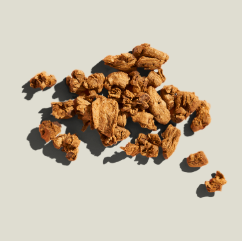
- Whole-Muscle Texture: Harvest B products, such as their Chicken Style Strips, provide a distinct fibrous "tear" and firm bite that traditional TVP granules simply cannot match.
- Neutral Flavor Profile: One of the most significant advantages for a chef is Harvest B’s neutrality. It doesn't carry the heavy soy aftertaste, allowing your own signature marinades, rubs, and sauces to shine.
- Versatile Formats: From Red Meat Style Diced to Beef Style Mince, the range is built to fit seamlessly into existing kitchen workflows.
Side-by-Side: Texture and Mouthfeel
In a commercial kitchen, the success of a dish often rests on the "mouthfeel." Consumers who are reducing their meat intake (flexitarians) are looking for a familiar experience.
Traditional TVP functions well as a filler in a Bolognese or a taco mince where it is heavily masked by sauce. However, if you are serving a stir-fry, a gourmet burger, or a "pulled" protein taco, TVP’s lack of structure becomes a liability.
Harvest B is engineered for the "bite." Whether you are using the Chicken Style Shred for a plant-based bánh mì or the Red Meat Style Diced for a hearty ragu, the protein maintains its integrity even under the high heat of a commercial wok or the prolonged heat of a bain-marie.

Operational Efficiency: Yield and Storage
For any food service business, from RSLs to corporate kitchens, logistics and food cost are the twin pillars of profitability. This is where both TVP and Harvest B provide a massive advantage over frozen plant-based meats, but Harvest B takes the efficiency further.
1. Ambient Storage (The Death of the Freezer)
Traditional plant-based meats (burgers, schnitzels) usually arrive frozen. This puts immense pressure on precious freezer space and complicates the supply chain. Harvest B is 100% shelf-stable. You can store months’ worth of protein in your dry pantry, reducing your energy costs and simplifying your inventory management.
2. Predictable Yields
The mathematics of Harvest B are a dream for a kitchen manager.
- Beef Style Mince: A 14kg dry mix yields a staggering 42kg of finished product. That is a 1:3 rehydration ratio.
- Chicken Style Strips: A 7kg dry bag yields 20kg of premium strips.
This high yield means your cost-per-serve is significantly lower than that of pre-formed frozen patties or imported plant-based chicken chunks. When compared to traditional TVP, Harvest B provides a more consistent rehydration rate, meaning your recipes remain identical every single time, regardless of which member of the kitchen brigade is on shift.
Sustainability: Meeting Your ESG Goals
Sustainability is no longer a corporate buzzword; it is a commercial imperative. Consumers are actively choosing venues that demonstrate a commitment to reducing their carbon footprint.
By switching to a rehydratable protein like Harvest B, you are participating in a green revolution in the kitchen.
- Reduced Transport Weight: You aren't paying to ship water. By hydrating the protein in your own kitchen, you significantly reduce the carbon emissions associated with heavy, refrigerated transport.
- Zero Waste: Since you only rehydrate what you need for the shift, your food waste is virtually eliminated. Dry product remains perfectly safe in the pantry for months.
For venues tracking their progress, our Triple Bottom Line Report highlights how these small shifts in procurement lead to significant environmental gains.
The Verdict: Which Is Better For Your Kitchen?
The choice between traditional TVP and Harvest B depends on your menu’s positioning:
Choose Traditional TVP if:
- You are operating in a high-volume, low-margin institutional setting (e.g., bulk catering) where the protein is used strictly as an extender for meat.
- Price is the only factor, and the texture of the "meat" is secondary to the sauce.
Choose Harvest B if:
- You want to serve a hero plant-based dish that will delight meat-eaters and vegans alike.
- You need a protein that holds its own in premium applications like burgers, tacos, and stir-frys.
- You value a neutral flavor profile that allows for culinary creativity.
- You are looking to optimize your wholesale plant-based procurement with a reliable, Australian-made product.
Your Journey Starts Here
At Brand Focus - Harvest B, we understand the pressures of the modern commercial kitchen. We’ve spent years in the industry, and we know that a product must do more than just "taste good": it has to work for your bottom line and your operational flow.
Harvest B isn't just a replacement for TVP; it’s an upgrade for your entire menu. It’s about serving food that you are proud of, while making your kitchen more efficient and sustainable.
Ready to see the difference for yourself? Explore the full Harvest B collection and discover how rehydratable protein can transform your offerings. Together, we can build a more resilient, profitable, and delicious future for Australian food service.