
Beverage Menu Optimisation: How Kara Coconut Water Boosts Margins for Australian Food Service
Better beverage design starts with one question: how much value can each litre create?
For Australian cafés, restaurants, pubs and QSRs, the beverage menu is one of the clearest opportunities to improve contribution margin without adding complex kitchen prep. A well-designed drink can use a measured quantity of a versatile ingredient, deliver a premium customer experience and generate strong gross profit per serve.
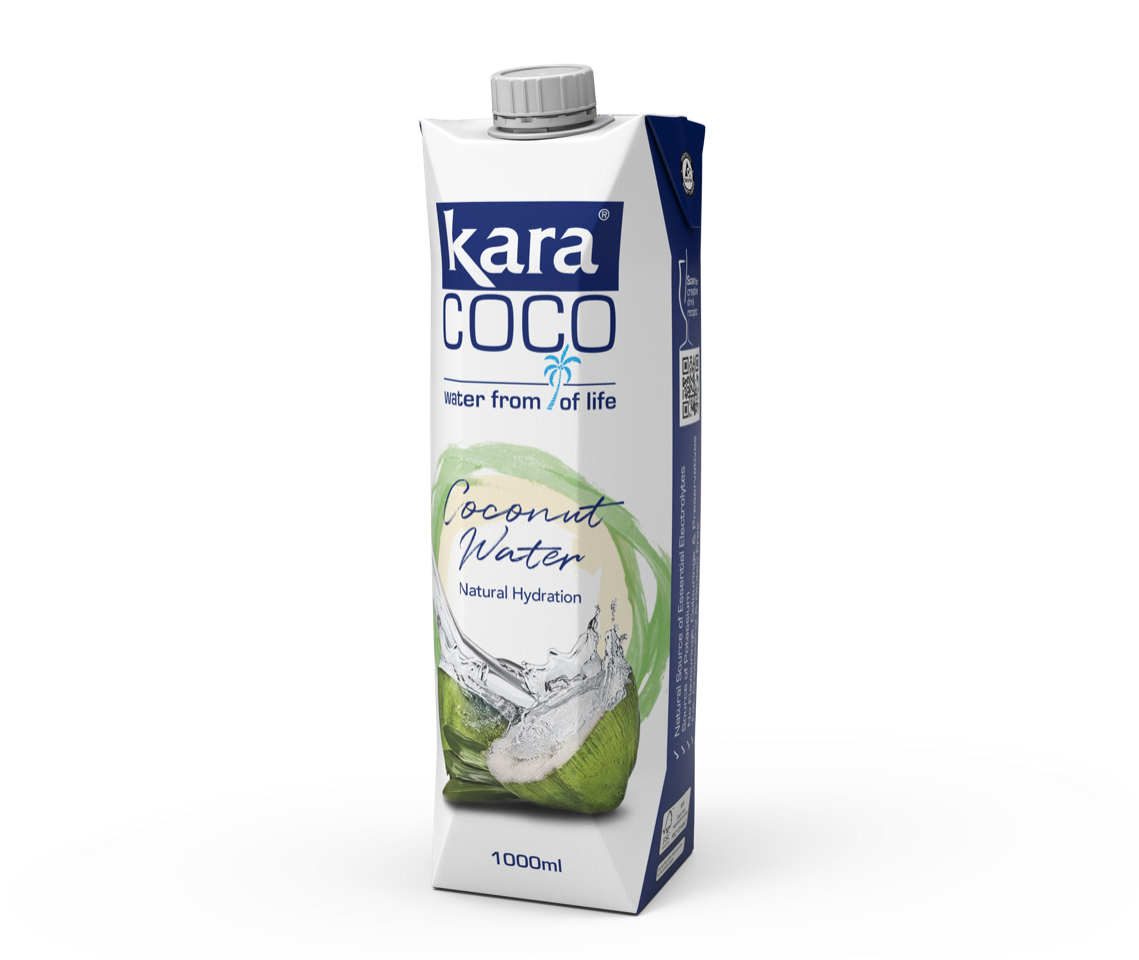
Kara Coconut Water 12 x 1LT is built for that opportunity. With a multi-serve format, a clean free-from profile and broad application across refreshments, mocktails, batch cocktails and mixers, it gives food service operators a practical base for beverage menu optimisation.
For venues looking for coconut water bulk, wholesale coconut water Australia supply and a reliable plant-based beverage ingredient, Kara offers a streamlined way to build a more efficient drinks program.
One litre in the storeroom. Multiple premium serves on the menu.
Why beverage menu optimisation matters
Beverage profitability is not determined by selling price alone. Operators should assess each drink using a combination of:
- Cost per serve
- Gross profit per serve
- Gross margin percentage
- Preparation time
- Ingredient cross-utilisation
- Waste and yield
- Speed of service
- Customer willingness to pay
A drink priced at $8 is not automatically profitable if it requires multiple ingredients, high labour input and frequent wastage. Conversely, a simple coconut water refresher can become a high-contribution item when portioned consistently and presented with a premium description.
The core menu engineering formula
Use this calculation for every Kara-based beverage:
Ingredient cost per serve = total recipe cost ÷ number of serves
Then calculate:
Gross margin % = (selling price − ingredient cost) ÷ selling price × 100
Your exact wholesale price will depend on your account and order volume, so use your current invoice cost when costing recipes. The following examples are illustrative only.
1. Start with the 1L format
The Kara Coconut Water 1L format is suited to multi-serve food service applications. The product is available in a 12 x 1LT carton, allowing venues to purchase a consistent beverage base in a format that supports measured pouring and batch preparation.
The format can help simplify operations in several ways:
-
Standardised portions
A 1L carton contains five 200ml serves or four 250ml serves. This makes recipe costing straightforward and supports consistent output across shifts. -
Efficient storage
Unopened shelf-stable stock can help venues manage beverage inventory without relying entirely on chilled storage. Always follow the storage and handling directions on the product packaging. -
Lower packaging complexity
A multi-serve pack can reduce the handling associated with stocking numerous individual ready-to-drink units. -
Flexible service formats
The same carton can be used for a glass serve, a mocktail, a jug, a cocktail or a mixer. -
Improved stock utilisation
Cross-utilising one ingredient across day parts helps reduce the risk of slow-moving inventory.
For procurement managers, this means Kara can operate as more than a single beverage SKU. It can become a foundational ingredient in the drinks section of the menu.
2. Engineer the cost per serve
Assume, for planning purposes, a wholesale cost of $3.50 per litre. This is not a quoted Kara price; operators should substitute their actual landed cost.
Example: 200ml coconut water refresher
- Kara Coconut Water: 200ml × $3.50 per litre = $0.70
- Lime and mint garnish: $0.25
- Ice and service allowance: $0.05
- Estimated ingredient cost: $1.00
If the drink sells for $7.00:
- Gross profit per serve: $6.00
- Gross margin: 85.7%
The key is not simply to increase the price. It is to create a drink that justifies the price through presentation and language.
Compare:
- “Coconut Water”
- “Fresh Lime & Mint Coconut Refresher”
The second name communicates an experience rather than a commodity. A chilled glass, fresh garnish and clear menu description can move the drink into the premium refreshment category while keeping preparation simple.
Portion control is non-negotiable
A 50ml overpour on a 200ml recipe increases liquid usage by 25%. Across 100 serves, that can consume an additional 5 litres of product.
Use:
- Measured jiggers or pourers
- Standardised glassware
- Recipe cards
- Batch labels
- Staff training at induction
- Weekly variance checks
Small controls create measurable improvements in beverage cost percentage.
3. Build a high-contribution mocktail category
Mocktails are particularly well suited to menu optimisation because they can command premium pricing without the cost of spirits. Kara Coconut Water provides a smooth, refreshing base for drinks that feel distinctive, inclusive and suitable for a wide range of customers.
Consider a focused menu of three to five signature drinks:
- Coconut Lime Cooler : Kara Coconut Water, lime, mint and soda
- Tropical Market Spritz : Kara Coconut Water, pineapple, passionfruit and sparkling water
- Ginger Coconut Refresher : Kara Coconut Water, ginger, citrus and aromatic bitters alternative
- Coconut Berry Smash : Kara Coconut Water, berries, lemon and crushed ice
- Sunset Coconut Punch : Kara Coconut Water, orange, pineapple and seasonal fruit
A concise range makes purchasing easier and reduces the number of ingredients required at the bar.
Illustrative 2L batch calculation
A 2L batch can produce ten 200ml serves.
- Kara Coconut Water: 2L × $3.50 = $7.00
- Citrus, fruit, herbs and other additions: $4.00
- Total batch cost: $11.00
- Yield: 10 serves
- Cost per serve: $1.10
At a selling price of $9.00:
- Gross profit per serve: $7.90
- Gross margin: 87.8%
The actual result will vary by ingredients, wastage, garnish and labour. However, the model demonstrates how a controlled batch can support a premium non-alcoholic beverage category.

4. Design for cross-utilisation
The strongest beverage menus do not rely on single-use ingredients. They use a small number of flexible components across multiple recipes.
Kara Coconut Water can be positioned across:
- Individual chilled serves
- Mocktails and spritzes
- Batch punches
- Cocktail builds
- Smoothies
- Brunch beverages
- Event and function packages
- Premium non-alcoholic pairings
This is particularly valuable for cafés and QSRs, where storage space and labour are tightly managed. For pubs, clubs and restaurants, it creates a credible alcohol-free option that can be served during lunch, dinner, functions and late-night trade.
Cross-utilisation also strengthens procurement planning. Rather than purchasing a product for one seasonal special, the venue can forecast demand across several menu positions.
5. Use Kara as a versatile mixer
A versatile mixer can increase the number of profitable beverage combinations without adding a long list of new products.
Kara Coconut Water can be paired with:
- Citrus
- Tropical fruit
- Ginger
- Soda water
- Fresh herbs
- Tea infusions
- Espresso or cold brew in creative brunch applications
- Spirit-free cocktail alternatives
- Selected spirits in approved cocktail recipes
For bar managers, the operational benefit is speed. Pre-batched components can reduce ticket time during busy service, while a consistent coconut water base helps maintain flavour from one shift to the next.

6. Place high-margin beverages strategically
Menu design influences what customers notice and order. Once your Kara-based recipes are costed, use menu engineering principles to give the strongest performers appropriate visibility.
Practical placement tactics
- Feature one signature coconut water drink near the top of the beverage section.
- Use a highlighted box for premium mocktails.
- Group coconut water serves with spritzes and fresh refreshments rather than low-priced soft drinks.
- Use descriptive, sensory language such as “chilled”, “fresh lime”, “tropical” and “sparkling”.
- Display the beverage on table menus, counter signage or digital ordering screens.
- Train staff to recommend one Kara-based option as a non-alcoholic upsell.
Review performance using both popularity and profitability. A high-volume, moderate-margin drink may be valuable for throughput, while a lower-volume signature mocktail may deliver stronger gross profit per serve.
7. Protect quality and consistency
A profitable beverage still needs to taste excellent. Kara Coconut Water is made from fresh handpicked coconut and is described by the brand as a natural source of essential electrolytes. It contains no flavourings, colourings or preservatives and is free from fat, cholesterol and gluten, according to the product information provided by Kara.
These free-from attributes can support clearer communication for customers seeking plant-based and inclusive options. However, all menu claims should be checked against the current product label and your venue’s allergen and dietary procedures.
For consistent service:
- Chill opened product according to label directions.
- Record opening dates and use-by information.
- Standardise garnishes by weight or count.
- Keep batch recipes refrigerated and clearly labelled.
- Train every staff member to use the same pour size.
- Review actual yield against theoretical yield.
Operational discipline turns a good ingredient into a dependable margin solution.
8. Source through a specialist plant-based partner
The Plant Pantry is an Australian plant based food distributor supporting professional kitchens with a broad range of plant-based products across ambient, chilled and frozen categories.
For venues building a modern beverage and food program, working with a specialist supplier can simplify ordering, consolidate deliveries and improve visibility across plant-based purchasing. The Plant Pantry supplies cafés, restaurants, QSRs, pubs, clubs, caterers and institutions through its trade-focused service.
Kara Coconut Water 12 x 1LT is a natural fit for operators seeking:
- Coconut water bulk for beverage production
- A multi-serve ingredient for consistent recipes
- Wholesale coconut water Australia supply
- Vegan food wholesale procurement
- A free-from beverage base
- Efficient batch preparation
- Premium non-alcoholic menu development
A practical 30-day implementation plan
Week 1: Cost and test
- Confirm your current Kara landed cost.
- Create three recipes.
- Cost each recipe to the millilitre.
- Test portion sizes and garnish requirements.
Week 2: Train and standardise
- Write one-page recipe cards.
- Set glassware and pour specifications.
- Train front-of-house and bar teams.
- Photograph the finished drinks for internal reference.
Week 3: Launch and position
- Place the strongest recipe in a prime menu position.
- Add a premium description.
- Introduce a staff recommendation.
- Offer the drink across relevant day parts.
Week 4: Review performance
Track:
- Units sold
- Sales value
- Gross profit per serve
- Beverage cost percentage
- Waste
- Preparation time
- Customer feedback
Keep the drinks that deliver both customer appeal and commercial contribution.
Turn every litre into more value
Beverage menu optimisation is not about adding complexity. It is about selecting ingredients that work harder across the operation.
With its 1L multi-serve format, free-from credentials, fresh coconut profile and versatility across refreshments, mocktails and mixers, Kara Coconut Water 12 x 1LT gives Australian food service operators a practical base for a more efficient and profitable beverage menu.
Ready to review your plant-based beverage purchasing? Explore wholesale access through The Plant Pantry’s wholesale portal or visit www.plantpantry.com.au to get started.