
2026 Hospitality Trends: Why Australian Food Service Is Betting Big on Kara Coconut Water
Australian hospitality is entering 2026 with a sharper focus on wellness, moderation, plant-forward eating and operational efficiency. Customers want more from their food and beverage choices: less added sugar, recognisable ingredients, thoughtful alcohol alternatives and products that support an active, balanced lifestyle.
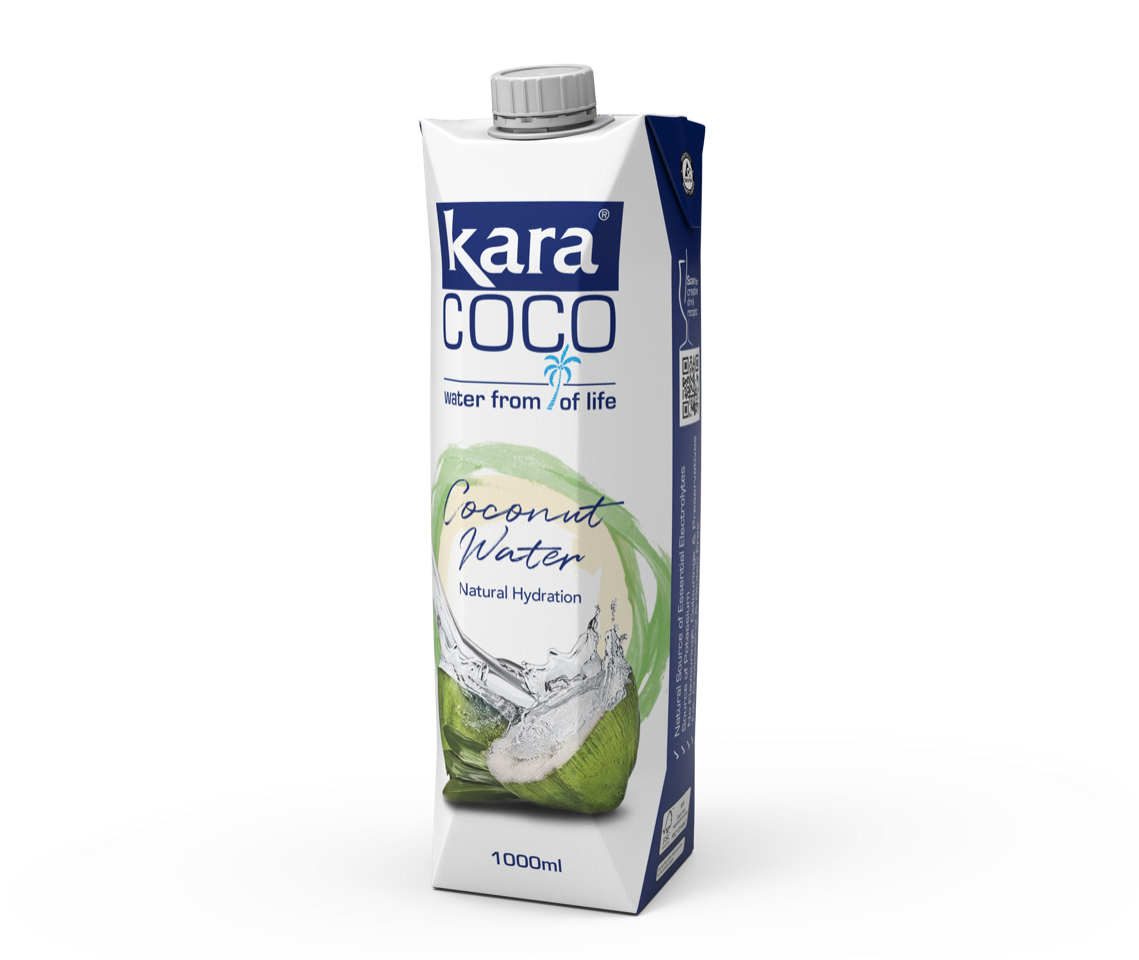
For cafés, restaurants, pubs, QSRs and clubs, this shift creates a practical opportunity. Kara Coconut Water 12 x 1LT gives professional kitchens a versatile, plant-based beverage ingredient that can support several high-growth menu directions at once.
From hydration-led drinks and zero-proof cocktails to smoothies, breakfast offerings and efficient bulk service, Kara Coconut Water is designed for the realities of Australian food service.
The 2026 opportunity: beverage innovation without unnecessary complexity
The Australian coconut water market is forecast to grow at approximately 14.27% CAGR between 2026 and 2034, according to IMARC Group, rising from an estimated USD $274.8 million in 2025 to approximately USD $912.9 million by 2034.
That growth reflects a broader consumer movement towards:
- Naturally positioned beverages
- Lower-sugar alternatives
- Plant-based and vegan ingredients
- Functional hydration
- Premium non-alcoholic experiences
- Clean, recognisable labels
For operators, the challenge is turning these broad trends into commercially viable menu items. The answer is not necessarily a completely new beverage range. Often, it is a flexible core ingredient that can be used across multiple dayparts and service formats.
That is where Kara Coconut Water earns its place.
1. Health-conscious, low-sugar menus are becoming the default
The new hospitality brief: refreshment with a reason.
Australian consumers are becoming more selective about what they drink with a meal. The Australian Beverages Council’s 28-year analysis of beverage sales found that low- and no-sugar varieties increased their market share from 30% in 1997 to 65% in 2024. Over the same period, sugar-sweetened water-based beverages declined from 70% to 35% of the category.
Still and sparkling water also grew from 4.8% to 36% market share, overtaking sugar-sweetened carbonated soft drinks in 2024.
These figures highlight a clear commercial direction: customers are not abandoning flavour, but they are increasingly looking for lighter, cleaner and more naturally positioned choices.
Why coconut water suits plant-forward menus
Kara Coconut Water is made from coconut water and is positioned as a natural source of essential electrolytes, including:
- Potassium
- Calcium
- Magnesium
- Sodium
- Phosphorus
It is also described by the brand as:
- Free from flavourings, colourings and preservatives
- Fat-free
- Cholesterol-free
- Gluten-free
- Suitable for vegan and plant-based food service
Coconut water provides a naturally refreshing alternative to heavily sweetened soft drinks and can be served as a standalone beverage or incorporated into a broader plant-forward drinks program.
For cafés, that may mean a chilled coconut water option in the grab-and-go fridge. For restaurants and QSRs, it could become the base of a fresh fruit cooler, smoothie or breakfast beverage. For institutions and corporate kitchens, it offers a simple way to expand plant-based beverage choices without adding a complex preparation process.
The opportunity is especially strong when coconut water is paired with familiar, vibrant ingredients such as:
- Lime and mint
- Pineapple and ginger
- Watermelon and basil
- Cucumber and lemon
- Mango and passionfruit
- Berries and fresh herbs
The result is a beverage that feels fresh, contemporary and naturally appealing.
2. Low- and no-alcohol is moving from niche to revenue stream
Zero-proof does not have to mean zero excitement.
The low- and no-alcohol movement is one of the most important beverage shifts affecting Australian hospitality in 2026. A growing number of guests are moderating their alcohol intake, alternating alcoholic drinks with non-alcoholic options or choosing alcohol-free occasions altogether.
The latest Lightspeed Hospitality Report found that:
- 36% of operators are prioritising alcohol-free beverages
- 37% of operators are prioritising bottomless drinks
- 40% of operators identify rising food and supply costs as a key challenge
The report also describes a growing disconnect between what customers want and what some operators are prioritising. Healthier, natural and locally sourced options ranked highly among customer preferences, creating an opportunity for venues that align their beverage programs with these expectations.
There is no single authoritative national statistic proving that all Australian non-alcoholic beverage sales are up 30% year on year. However, the direction is unmistakable: non-alcoholic drinks are becoming a more important part of the hospitality mix, while alcohol-free options are being treated as a genuine commercial category rather than an afterthought.
Kara Coconut Water as a premium mixer and base
Kara Coconut Water brings natural sweetness, a soft tropical profile and an appealing visual foundation to mocktails and zero-proof drinks.
It can be used as:
- A base for tropical mocktails
- A long drink ingredient with soda and citrus
- A mixer for premium zero-proof spirits
- A smoothie liquid
- A frozen drink base
- A component in brunch and breakfast beverages
- A recovery-style drink after fitness, events or outdoor activities
A concise beverage menu could include options such as:
- Coconut Lime Spritz : Kara Coconut Water, lime, soda and mint
- Tropical Zero-Proof Cooler : coconut water, pineapple, passionfruit and citrus
- Ginger Coconut Refresher : coconut water, ginger, lemon and sparkling water
- Coconut Berry Crush : coconut water, berries, lime and crushed ice
These drinks can be presented with premium glassware, fresh garnishes and considered descriptions, allowing venues to build value without relying on alcohol as the primary premium cue.

3. Functional hydration is shaping the next generation of drinks
Hydration is no longer just a need; it is a menu proposition.
Functional beverages are increasingly influencing purchasing decisions across cafés, restaurants, gyms, workplaces, hotels and event venues. Customers are looking for products that fit specific occasions: morning energy, post-exercise refreshment, all-day hydration or a balanced alternative to sugary drinks.
Coconut water is well suited to this environment because it naturally aligns with the language of hydration and electrolytes. Kara’s product information highlights its natural electrolyte profile and potassium content, making it a useful ingredient for beverages positioned around refreshment and replenishment.
For operators, the value is in the product’s versatility. One ingredient can support multiple applications:
- Breakfast service: smoothies, wellness drinks and fruit blends
- Café service: chilled grab-and-go beverages and iced refreshers
- Restaurant service: welcome drinks, alcohol-free pairings and mocktails
- QSR service: limited-time beverage specials and combo upgrades
- Event catering: batch-prepared hydration stations and premium soft drinks
- Corporate kitchens: naturally positioned alternatives for workplace dining
- Meal delivery: smoothie and beverage add-ons
Importantly, coconut water should be marketed accurately. It is not a substitute for medical treatment or a guarantee of specific health outcomes. Its strength is its simple, recognisable role as a refreshing, plant-based beverage with naturally occurring electrolytes.
4. Clean-label expectations are influencing procurement
What guests see on the menu starts with what procurement approves.
Clean-label purchasing is becoming increasingly important for chefs and procurement managers. Operators need ingredients that are practical to use, easy to explain and compatible with a range of dietary requirements.
Kara Coconut Water supports this approach through a straightforward product profile. According to the brand’s product information, Kara Coco Coconut Water contains coconut water and is free from added flavourings, colourings and preservatives.
That gives teams a clear foundation for beverage development and menu communication. Instead of relying on complicated descriptions, staff can explain the product in simple, customer-friendly language:
- Plant-based
- Naturally refreshing
- Electrolyte-rich
- Free from artificial flavourings, colourings and preservatives
- Available in a foodservice-friendly 1-litre format
For venues serving diverse communities, a plant-based beverage can also help support inclusive menu planning. Vegan customers, flexitarians and guests seeking dairy-free or gluten-free options can all find a relevant choice within the same beverage program.
5. Bulk format and supply reliability matter as much as trend appeal
A great beverage idea only works when the kitchen can execute it consistently.
In 2026, foodservice operators are balancing customer expectations with inflationary pressure, labour constraints and supply-chain risk. Product selection must therefore consider more than flavour and branding.
The 12 x 1LT case format offers several practical benefits for professional kitchens:
- Consistent 1-litre units for recipe control
- Easier stock counting and ordering
- Suitable volume for batch preparation
- Reduced reliance on small retail-style packs
- Flexible use across beverage stations and service periods
- Straightforward storage and rotation
- Better suitability for cafés, restaurants, QSRs, clubs and catering operations
For chefs, a 1-litre pack makes recipes easier to standardise. For procurement teams, a case format simplifies forecasting and purchase-order management. For multi-site operators, consistent pack sizes help support repeatable beverage specifications across venues.
This is where buying coconut water bulk through a specialist plant based food distributor can create an operational advantage. Instead of sourcing individual plant-based ingredients through multiple channels, venues can consolidate orders through a dedicated wholesale partner.
One-stop wholesale coconut water Australia supply
The Plant Pantry is an Australian vegan food wholesale partner supplying professional kitchens nationwide. Its wholesale service supports cafés, restaurants, QSRs, pubs, clubs, RSLs, caterers, institutions and other foodservice businesses.
The wholesale model is designed around:
- A 100% plant-based catalogue
- Trade-only pricing
- Ambient, chilled and frozen products
- Australia-wide delivery
- Regular runs in Sydney, Melbourne and Brisbane
- Online wholesale ordering
- Access to more than 70 plant-based brands
- Consolidated purchasing from one supplier
For operators searching for wholesale coconut water Australia, Kara Coconut Water 12 x 1LT is a practical way to respond to several 2026 trends with one versatile product.

Turning a trend into a practical beverage strategy
A strong 2026 beverage program does not need to be complicated. Start with a repeatable framework:
-
Choose one versatile base ingredient
Use Kara Coconut Water across mocktails, smoothies, refreshers and grab-and-go beverages. -
Build three price points
Offer a simple chilled serve, a premium garnished drink and a more substantial smoothie or functional beverage. -
Use familiar flavour combinations
Citrus, ginger, pineapple, berries and mint are accessible, recognisable and easy to execute. -
Standardise recipes by the litre
The 1-litre format makes batch preparation, costing and staff training more straightforward. -
Track performance
Monitor sales by daypart, attachment rates, wastage and customer feedback before expanding the range. -
Communicate the benefit clearly
Focus on plant-based ingredients, natural refreshment, electrolyte content and the absence of flavourings, colourings and preservatives: without overstating health claims.
The next step for Australian hospitality operators
The strongest hospitality trends of 2026 are connected by one idea: customers want better choices that still feel enjoyable, convenient and premium.
Kara Coconut Water 12 x 1LT gives Australian foodservice operators a flexible way to meet that demand. It supports low-sugar and plant-forward beverage development, strengthens alcohol-free menus, aligns with functional hydration occasions and fits the purchasing realities of busy commercial kitchens.
To explore wholesale access and order through The Plant Pantry, visit the Plant Pantry wholesale portal or visit www.plantpantry.com.au.
One case. Multiple occasions. A clearer path to the next generation of Australian hospitality.